


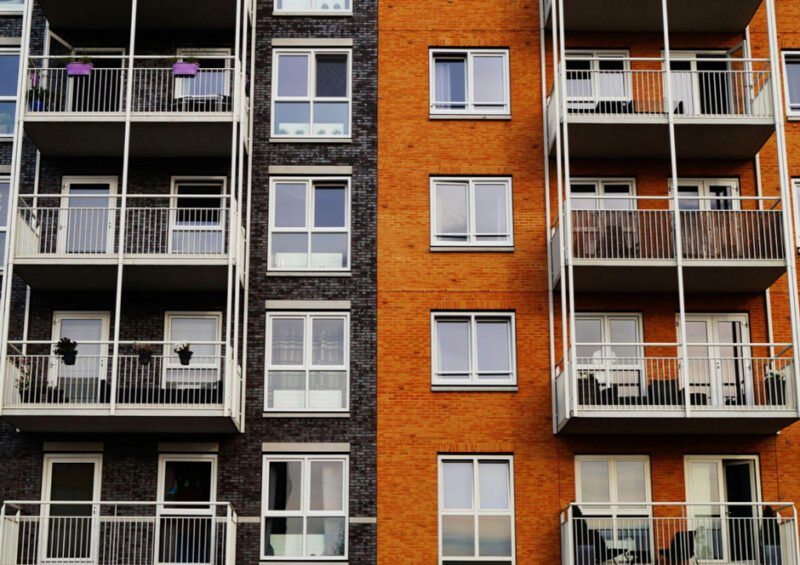
Older apartment buildings have a special charm that newer places cannot copy. They feel lived in. They feel familiar. Many people enjoy the character that comes with them. But anyone who manages one knows the other side of the story. Older buildings need more care, more checks, and more time. Some days, the work can feel nonstop. If you look away for too long, small issues turn into big problems. That is why it helps to understand the most common maintenance challenges. When you know what to expect, you can deal with issues before they affect your tenants.
Aging Mechanical Systems and Building Comfort
One of the biggest challenges in older apartment buildings is dealing with aging mechanical systems. Heating and cooling units work hard every day. Over time, they lose efficiency. Many older systems also use parts that are no longer easy to find. This makes repairs more frequent and more costly. Tenants notice comfort problems fast. They may feel hot in one room and cold in another. They may also deal with low airflow or strange sounds from vents.
When systems reach this point, property managers often need help from technicians who specialize in commercial HVAC repair. These teams know how to diagnose old mechanical units and keep them running longer. They also help spot early warning signs like small leaks, weak airflow, or temperature swings. Staying ahead of these issues keeps the building more stable. It also reduces the number of complaints you get from tenants who depend on steady comfort.
Plumbing Problems That Keep Coming Back
Plumbing issues tend to repeat in older buildings. Pipes wear out. Corrosion builds up inside them. Water pressure drops. Old fixtures break without much warning. When a pipe leaks inside a wall, it can spread water into other units before anyone notices. A slow drain in one apartment may point to a bigger blockage somewhere else in the building.
These issues are not only frustrating for tenants. They also cost money and time to repair. Routine inspections can help. Many property managers walk the building with a maintenance checklist at least once a month. They look for stains on ceilings, loose fixtures, and signs of mold. When you catch plumbing problems early, you prevent damage that can affect several units at once.
Electrical Systems That Struggle to Keep Up
Electrical systems in older buildings often fall behind modern needs. Years ago, people used fewer electronics. Today, every tenant uses phones, laptops, TVs, and smart devices. Older wiring was not built for this kind of load. As a result, breakers trip more often. Outlets may not work well. Tenants may even use unsafe extension cords to make up for the lack of plugs.
Some buildings still have outdated panels that should be replaced. If the wiring is old, it may also pose a safety risk. Regular electrical checks help property managers stay ahead of these concerns. You want to make sure the building can handle modern power use without putting anyone at risk.
Wear and Tear That Affects Common Areas and Units
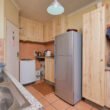
Older buildings see more wear and tear than newer ones. Floors loosen. Doors stick. Windows lose their seal. Paint chips in hallways that see constant traffic. Units that experience frequent turnover may need more repairs than others. Tenants may also report issues with cabinets, countertops, and appliances. Little things add up over time. If you do not fix them, the building starts to look neglected.
The key is to stay consistent. Many property managers schedule small repair days to handle touchups. They fix door frames, tighten loose handles, and refresh paint. It may seem simple, but it keeps the building looking clean. When tenants see regular care, they feel the building is managed well. That alone can reduce complaints and improve the overall living experience.
Roofing and Exterior Problems That Build Up Over Time
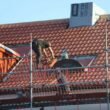
A roof that looks fine from the ground can still have hidden problems. Older roofs often develop cracks or weak spots. If water gets in, it can spread fast. It may leak into hallways, stairwells, or top-floor units. Exterior walls may also need attention. Paint fades. Siding wears out. Gutters clog and cause water to pool near the foundation.
These issues can lead to mold or structural damage. Property managers often schedule roof checks twice a year. They also walk the exterior after storms to look for loose shingles or standing water. Taking care of exterior issues keeps the building stronger and helps avoid major repairs later.
Meeting Modern Safety and Compliance Standards
Safety rules change over time. Older buildings may fall behind on current codes. Fire alarms may need upgrades. Emergency lights may stop working. Ventilation systems may not meet new standards. If your building has elevators, you may face frequent inspections. If it has older wiring or outdated boilers, you may face compliance checks more often.
Keeping up with these rules protects both your tenants and your property. Many property managers schedule yearly reviews to stay compliant. This helps prevent fines and keeps the building safe for everyone.
Rising Maintenance Costs and Budget Planning
Aging buildings usually cost more to maintain. Old parts fail more often. Replacement components may cost more. Some systems may need full upgrades. These expenses can surprise you if you do not plan ahead. Many property owners create flexible budgets that include money for sudden repairs. They also plan long-term projects like roof replacement or major plumbing updates.
Good planning helps reduce stress when things break unexpectedly. You never know when a pipe may burst or when a unit may need new flooring. Having a budget in place keeps the work moving without delays.
Older apartment buildings can stay in great shape with the right care. When property managers stay proactive, they can reduce emergencies and improve the tenant experience. Regular inspections, good vendor partnerships, and clear communication make a big difference. With steady maintenance, these buildings can keep serving residents for many years.