




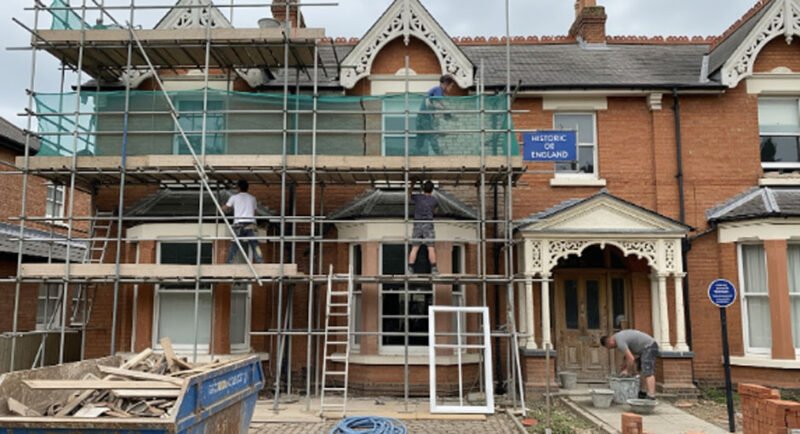
A heritage home holds a unique kind of gravity. Its walls contain more than timber and plaster; they hold layers of time, local identity, and craftsmanship nearing extinction. Undertaking its care is therefore not a simple renovation project. It is an act of cultural stewardship, a delicate negotiation between past and present. This complex responsibility reveals why the involvement of a specific professional is not merely beneficial, but fundamentally essential. The architect emerges as the critical translator, ensuring a house’s historical soul survives its necessary evolution for contemporary living.
Engaging a Residential Conservation Architect
Choosing to work with a qualified residential conservation architect represents the most significant decision an owner can make. This choice moves beyond general remodeling expertise. Such a specialist brings a distinct, dual-focused competency. Their training combines deep historical knowledge with modern technical prowess. They understand period construction techniques, traditional material behavior, and conservation ethics. Concurrently, they navigate current building regulations, energy efficiency standards, and the practical realities of 21st-century domestic life. This dual lens is indispensable for guiding a project with integrity.
Uncovering the Historical Narrative
Before any design begins, a profound investigation must occur. The architect acts as a detective and historian. They meticulously analyze the building’s fabric, deciphering its chronological story. Which elements are original and character-defining? What changes were later, perhaps detrimental, additions? This forensic process establishes a conservation plan. It creates a clear hierarchy of significance, distinguishing features that must be preserved intact from those that can be altered or sensitively replaced. This foundational research prevents well-intentioned but damaging guesses, grounding every subsequent choice in evidence.
Mastering the Permission Process
Altering a listed or historically designated property involves a stringent regulatory landscape. Local conservation officers and heritage bodies wield considerable authority. An architect serves as the owner’s expert advocate within this framework. They prepare the detailed heritage statements, structural surveys, and design rationales required for formal applications. Their skill lies in persuasively demonstrating how proposed changes will enhance the building’s longevity and use without compromising its authentic value. They transform a potentially adversarial process into a collaborative, approved strategy.
The Science of Sensitive Intervention
Physical work on site demands surgical precision. How does one upgrade wiring or plumbing without destroying historic lathe and plaster? What modern insulation products are compatible with solid masonry walls that need to breathe? The architect specifies solutions that protect original fabric while integrating essential modern services. They might design an independent new structure within a shell to support a kitchen, leaving historic walls untouched. Their specifications for repairs, using lime mortar over cement, or sourcing reclaimed materials, ensure new work is physically and visually harmonious with the old.
Reimagining Life for Today
Pure preservation, treating a home as a museum, is rarely the goal. A building must function for modern occupants. The architect’s creative vision lies in weaving contemporary comfort into historical spaces. This could mean discreetly inserting new bathrooms, designing complementary kitchen cabinetry that doesn’t mimic period style, or carefully placing new windows for light without disrupting a facade’s rhythm. The aim is a home where history feels present and alive, not frozen, and where daily life can unfold with practical ease.
Specifying for Longevity
An architect’s role extends beyond construction completion. They provide crucial guidance on the ongoing care these special buildings require. They educate owners on proper maintenance for traditional materials, warning against modern chemical cleaners or sealants that can cause long-term harm. This advice establishes a stewardship plan, empowering owners to become informed custodians. It protects both the homeowner’s investment and the building’s future, ensuring its legacy endures for subsequent generations.
The Keeper of Authenticity
Ultimately, the conservation architect is the keeper of a home’s authentic character. They resist trends and superficial restorations that erase a property’s genuine story. Their work ensures that necessary updates feel like a respectful continuation of the building’s life, not a rejection of its past. By championing material truth and historical integrity, they accomplish something profound: they give a heritage home not just a repaired facade, but a sustainable, lived-in future. They prove that honoring history is not about living in the past, but about making a thoughtful, beautiful home from it.