




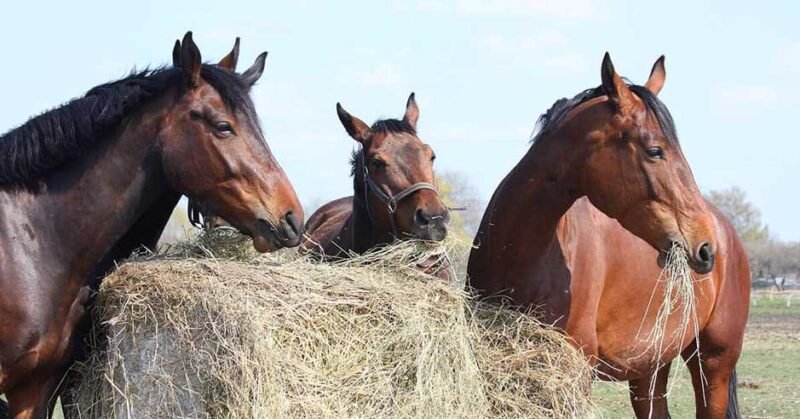
When it comes to equine nutrition, hay for horses is one of the most essential components of their diet. Horses are grazing animals with digestive systems designed to process a steady intake of fibrous forage. For both performance horses and leisurely companions, the quality, type, and feeding strategy of hay can significantly impact health, energy, and longevity.
This complete overview will explore everything you need to know about hay for horses—from its role in equine nutrition and types available, to storage tips and feeding recommendations.
Why Hay Matters for Horses
Horses have evolved as continuous grazers, eating small amounts of forage throughout the day. In the wild, they consume grasses that provide essential fiber for healthy digestion. For domesticated horses, hay serves as the closest substitute to natural pasture, especially in climates or seasons when fresh grass isn’t available.
Key Benefits of Hay for Horses:
- Fiber-rich nutrition: Supports gut health and prevents colic.
- Weight management: Provides calories appropriate for both active and sedentary horses.
- Dental health: Chewing hay promotes natural tooth wear.
- Mental well-being: Keeps horses occupied and reduces boredom-related behaviors.
Without adequate hay, horses may suffer from digestive issues, weight fluctuations, or behavioral problems.
Nutritional Value of Hay
The nutritional profile of hay for horses depends on its type, stage of maturity at harvest, and quality. Generally, hay provides:
- Carbohydrates & fiber: The primary source of energy.
- Protein: Essential for muscle development and repair.
- Vitamins & minerals: Depending on type, hay can provide calcium, phosphorus, and vitamin A.
A horse typically requires 1.5–2% of its body weight in forage per day. For a 1,000-pound horse, that’s 15–20 pounds of hay daily.
Types of Hay for Horses
Not all hay is created equal. Choosing the right hay depends on your horse’s age, workload, and health status. Below are the most common options:
-
Grass Hays
Grass hays are lower in protein and calories, making them suitable for easy keepers, mature horses at maintenance, and those prone to obesity.
- Timothy Hay: Highly palatable, moderate in protein, and easy to digest.
- Orchardgrass: Soft, leafy, and sweet-smelling with good fiber content.
- Bermudagrass: Popular in southern regions, fine-textured, and low-calorie.
-
Legume Hays
Legumes are richer in protein and calcium, making them ideal for growing foals, lactating mares, or performance horses with higher energy needs.
- Alfalfa: The most common legume hay, high in calories, protein, and calcium.
- Clover: Often mixed with grass hays; palatable but can be dusty if poorly cured.
-
Mixed Hays
A blend of grass and legume hays can offer balanced nutrition, providing more energy than grass hay but less than pure alfalfa.
Selecting Quality Hay
The quality of hay for horses matters just as much as the type. Poor-quality hay may contain mold, weeds, or dust that can harm respiratory and digestive health.
Characteristics of Good Hay:
- Bright green color (indicating freshness and nutrient retention).
- Sweet, clean smell without mustiness.
- Soft, pliable stems with plenty of leaves.
- Minimal dust or foreign material.
Avoid hay that is excessively brown, moldy, or coarse, as it may cause health issues.
Feeding Guidelines
How Much to Feed
- Horses should consume 5–2% of body weightin forage daily.
- Adjust amounts based on workload, age, and body condition.
- Easy keepers may thrive on grass hay, while performance horses may need more nutrient-dense alfalfa or mixed hay.
How to Feed
- Free-choice feedingworks well for most horses, reducing stress and mimicking natural grazing.
- Slow feeders or hay netscan help regulate intake and minimize waste.
- Divide hay into multiple feedings if not feeding free-choice.
Hay and Horse Health
Providing the right hay directly impacts a horse’s overall well-being.
- Digestive Health: Continuous forage intake reduces the risk of colic and gastric ulcers.
- Respiratory Health: Dusty or moldy hay can trigger allergies or heaves (recurrent airway obstruction). Soaking hay or using hay steamers can reduce dust.
- Weight Management: Monitoring hay intake helps prevent obesity or undernourishment.
Special considerations:
- Horses with metabolic issues like laminitis should avoid high-sugar hays.
- Senior horses with dental issues may need soaked hay cubes or pellets as alternatives.
Storing Hay Properly
The way you store hay affects both its safety and nutritional value.
Storage Tips:
- Keep hay in a dry, well-ventilatedarea to prevent mold.
- Elevate bales off the ground to reduce moisture absorption.
- Stack bales loosely to allow airflow.
- Cover hay stacks with tarps if stored outdoors.
Proper storage ensures hay retains its quality for months and reduces waste.
Alternatives to Hay
In some cases, traditional baled hay may not be available or suitable. Alternatives include:
- Hay Cubes: Compressed cubes of grass or alfalfa, convenient and dust-free.
- Hay Pellets: Ground and compressed hay, easy to measure but lack long-stem fiber.
- Complete Feeds: Formulated to replace forage, often used for horses with dental issues.
While these substitutes can be helpful, long-stem hay remains ideal for promoting natural chewing behavior and gut motility.
Common Questions About Hay for Horses
- Can horses eat moldy hay?
No. Moldy hay can cause respiratory problems and digestive upset. Always feed clean, fresh hay. - Which hay is best for weight gain?
Alfalfa or alfalfa-grass mixes provide higher calories and protein, making them ideal for underweight horses. - Can horses eat hay in the winter?
Yes, hay is essential during winter when pasture grass is scarce. It also helps horses generate body heat through digestion. - How do I know if my horse is getting enough hay?
Monitor body condition, energy levels, and manure consistency. A veterinarian or equine nutritionist can help fine-tune rations.
Final Thoughts
Hay is far more than just a filler—it is the foundation of equine nutrition. Choosing the right type, ensuring high quality, and feeding it properly can make all the difference in your horse’s health, performance, and happiness.
Whether you opt for timothy, orchardgrass, alfalfa, or a mix, hay for horses should always be clean, abundant, and tailored to your horse’s specific needs. When in doubt, consult a veterinarian or equine nutritionist to develop the best forage strategy for your equine companion.
By making informed choices about hay, you’re not just feeding your horse—you’re investing in their long-term well-being.