




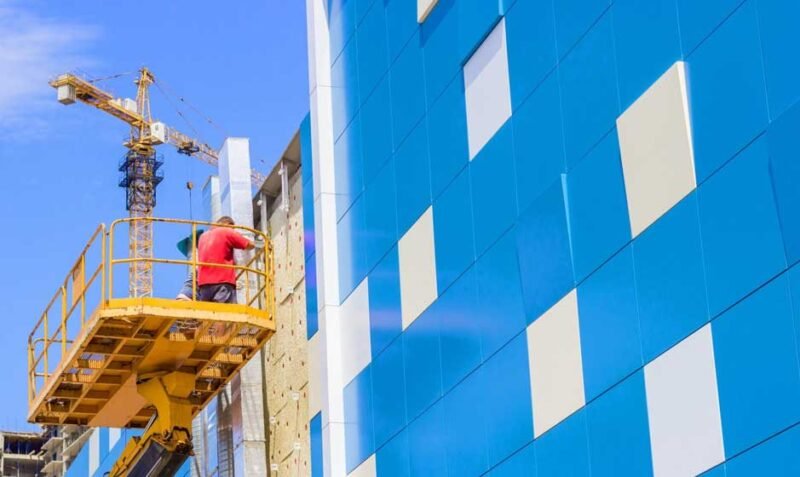
When you look at any modern building, a home, an office, a retail space; one thing becomes obvious. The exterior isn’t just about looks anymore. It’s about protection, performance, and making sure the structure holds up for years without constant fixing.
That’s where cladding systems come in. They shape how a building appears, how it behaves, and how well it handles the environment around it.
For designers, contractors, distributors, and even homeowners planning a project, understanding a building cladding system is important. It helps you make choices that look clean and stay reliable.
Why Building Cladding Matters So Much
A cladding system is basically the skin of the building. It protects the structure from weather, moisture, heat, and impact. It also defines the building’s personality; modern, minimal, warm, industrial, whatever the design needs.
A good building cladding system should do a few things well:
- Keep the structure safe from weather
- Control moisture
- Improve insulation
- Add visual appeal
- Reduce long-term maintenance
Most modern projects focus on durability with a clean aesthetic. Cladding makes that balance easier.
The Common Types of Cladding You See Today
Modern architecture gives you a lot of material choices. Each one comes with its behavior, its strengths, and its look. Here are the main ones used today:
Metal Cladding
Aluminum, steel, and other metals are popular because they’re light, strong, and stable. Metal cladding works for homes and commercial buildings that want a sharp, contemporary face.
Fiber Cement
A mix of cement and fibers. Heavy but durable. It gives a solid, matte look and handles weather well.
Wood Cladding
Warm and natural. But it needs more care and is sensitive to moisture and insects.
PVC or Vinyl
Lightweight and budget-friendly. Not always ideal for high-end or modern designs, but widely used.
Composite Panels
Layers of different materials combined into one strong panel. Good for modern façades that need both performance and design flexibility.
Every system has its place and the right choice depends on the project, climate, budget, and look you want.
You should select a system as now in the market there are options like aluminum cladding systems. They come with lightweight panels and are easy to install. Many have click‑lock systems, so even DIY methods can handle installation easily. They are also good for architects, designers, and distributors because they are easy to install, lightweight, and offer flexible designs. You can even get wood-look finishes that give the same warm feel as natural wood while keeping all the benefits of aluminum panels.
What Modern Buildings Expect From Cladding Systems
Today’s buildings aren’t simple. They demand more from the materials used on them. So cladding systems have evolved.
People now look for:
- Clean, seamless lines
- Lightweight materials
- Panels that lock or connect easily
- Finishes that don’t fade fast
- Low maintenance
- Fire resistance
- Eco-friendly options
Cladding is no longer just a decorative layer. It’s a performance layer.
How Cladding Systems Actually Work
A cladding system is built in layers. Each layer has a job.
- Support structure: holds the panel in place.
- Insulation or moisture barrier: controls temperature and keeps water out.
- Ventilation gap: helps the building breathe.
- The outer cladding panel: what you see on the finished surface.
This setup protects the walls, increases energy efficiency, and keeps the interior comfortable. Most modern systems are designed so installers can lock or fix panels easily, making on-site work faster and cleaner.
Choosing the Right Cladding for Your Building
Different people have different priorities. That’s normal. But these points help guide the decision:
- Do you want a warm or modern look?
- Is the area humid, rainy, or very sunny?
- Do you need something lightweight?
- Is fire resistance important?
- Do you want a material that stays stable for decades?
- How much maintenance are you willing to handle?
Metal cladding fits modern buildings. Wood fits natural designs. Composite panels fit complex shapes. Fiber cement fits solid, simple structures.
There’s no “one answer for all.” The right choice matches the building’s purpose, the environment, and the long-term plan.
Where Cladding Systems Make the Biggest Difference
You see well-designed cladding systems most in:
- Modern homes
- Office façades
- Commercial buildings
- Renovations where old exteriors need upgrading
- High-rise projects needing wind and fire resistance
- Buildings in coastal or high-moisture regions
Cladding helps protect, but it also defines the identity of the building. It sets the tone the moment someone sees it.
Performance Benefits You Should Expect
A solid cladding system gives more than just an exterior finish. It contributes to:
- Better insulation
- Reduced noise
- Less structural stress
- Longer material life
- Lower maintenance
- Better energy efficiency
- Cleaner overall look
It becomes a long-term investment for both appearance and performance.
Final Word
Building cladding systems play a huge role in how modern structures look and function. They protect the building, reduce maintenance, and help create the clean, modern styles people prefer today. Whether you’re choosing for a new build or upgrading an older exterior, understanding cladding helps you pick something that stays strong and keeps the building looking fresh for years.
Good cladding doesn’t just cover a building. It supports it. It strengthens it. And it shapes the whole experience of the space.
FAQs
1. I like modern designs… but how do I know which cladding material will actually last?
The key is to look at durability, weather resistance, and how stable the material stays over time. Some materials look great at first but start failing when exposed to moisture or heat. So checking long-term behavior matters more than just the initial appearance.
2. Does cladding really help with energy efficiency or is that just a claim?
People often wonder this because results aren’t always visible immediately. But yes, cladding helps. It creates layers that control heat, block moisture, and improve insulation. You end up using less energy to keep the building comfortable.
3. I’m not sure if installation is complicated… can regular contractors handle modern cladding systems?
Most people assume these systems are difficult. But many modern cladding panels are designed to fit, lock, or slide easily into place. With proper guides, most contractors handle them without issues. The key is choosing a system that’s clear and predictable.