




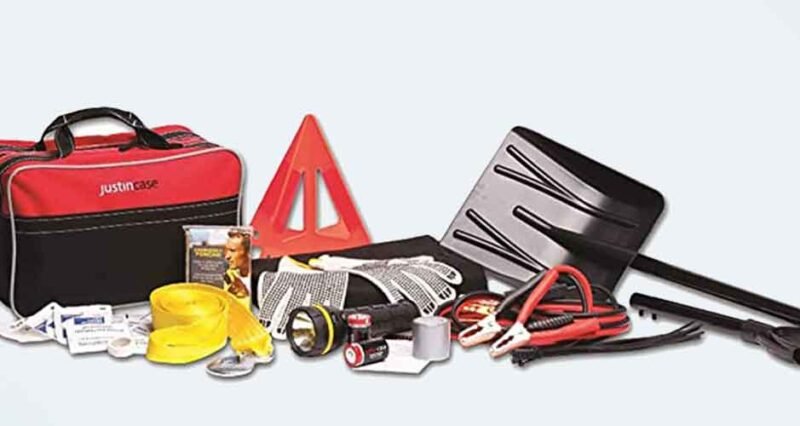
A good safety kit is not about fear. It’s about preparation. Modern travel exposes you to unpredictable environments—dense crowds, unfamiliar transit systems, isolated hiking routes, and changing city layouts. A safety kit gives structure to uncertainty. It supports fast decision-making when conditions shift. It’s compact, minimal, and designed around real-world problems travelers face.
Here’s a breakdown of what belongs in a practical travel safety kit and why each item earns its place.
1. Identification Backup System
Identification is your anchor when traveling. Losing it complicates every step afterward. That’s why redundancy matters.
Your kit should include:
- a photocopy of your passport
- a digital backup stored offline
- emergency contact information
- a secure RFID-blocking sleeve
RFID sleeves protect against unauthorized scans. Photocopies accelerate embassy support. Travelers often neglect these basics until they need them. The goal is fast recovery.
2. A Compact but Capable Flashlight
Smartphones aren’t reliable primary light sources. Batteries drain. Screens break. A dedicated flashlight gives directional control and long runtime.
Look for:
- regulated output
- impact resistance
- waterproof housing
- a tailcap switch that works with gloves
- 100–300 lumens (sufficient for urban travel)
These lights help with navigation, signaling, and hazard detection. Weight stays low, but utility stays high.
3. Self-Defense Tools Designed for Travel
Different regions have different laws, so always check local regulations. But in many areas, defensive tools are allowed and recommended for solo travelers.
One of the most practical options is pepper spray. It’s effective, lightweight, and easy to deploy. Modern versions have safety locks, gel formulas for reduced blowback, and consistent spray distances.
Situations unfold quickly. A tool like this gives you distance and reaction time. It’s not about confrontation. It’s about disengagement.
4. A Medical Mini-Kit That Covers Real Risks
A medical kit should handle cuts, burns, gastrointestinal issues, and minor infections. You don’t need a large trauma pack for standard travel, but you do need operational basics.
Pack:
- adhesive bandages
- antiseptic wipes
- ibuprofen
- antihistamines
- blister patches
- small tube of antibacterial cream
- electrolyte packets
These items address common travel injuries. Blister care alone can save a full day of movement. Electrolytes matter in heat or during food-borne illness recovery.
5. A Multi-Tool for Fixing Small Problems
A compact multi-tool provides structural capability. Loose straps, stuck zippers, bent gear, packaging, and damaged accessories all become manageable with one tool.
Look for:
- needle-nose pliers
- small driver bits
- integrated blade
- light pry capability
- corrosion-resistant steel
Avoid oversized, bulky models. Travel favors compactness.
6. Secure Storage for Cash and Cards
Wallet loss in an unfamiliar city becomes a logistics nightmare. Your safety kit should include a backup system for money access.
Recommended options:
- a hidden money belt
- a slim decoy wallet
- a secure zipper pouch
- emergency cash folded discreetly
A decoy wallet reduces risk during theft. The goal is diversification, not duplication.
7. Power Management Tools
Dead batteries create security issues. They remove your ability to navigate, translate, and communicate. Power management is a core safety requirement.
Pack:
- a high-capacity power bank
- USB-C and Lightning adapters
- a short, durable charging cable
- a universal outlet adapter
Choose power banks with regulated output and thermal protection. Cheap units overheat and fail under stress.
8. Emergency Contact Tools
Not every area provides reliable cellular coverage. That’s why your kit should include analog contact capabilities.
Carry:
- a small notepad
- a waterproof pen
- printed maps of transit hubs
- hotel information on paper
If your phone dies, you still have navigation and identity details.
Travel Safety Is Becoming a Priority
More travelers are preparing proactively. According to a study by the Global Business Travel Association, 68% of travelers now carry dedicated safety gear during trips.
Preparation is normal. It’s becoming expected.
Conclusion
A travel safety kit isn’t bulky. It isn’t tactical. It isn’t dramatic. It’s a set of tools chosen for reliability under pressure. Identification redundancy. Lighting. Medical basics. Power support. Defensive tools. Secure storage. Analog backups. These items reduce risk without complicating your pack.
Smart travelers don’t just plan itineraries. They plan resilience.