



Creating an outdoor space that looks incredible is one thing; keeping it that way without spending every weekend working on it is another. Whether you are upgrading a driveway that has seen better days or installing a new patio for summer entertaining, “low maintenance” is often the top requirement for homeowners.
The market is full of options, from classic stone to modern composites. But which materials actually hold up against freeze-thaw cycles, UV rays, and daily wear with minimal fuss?
Here are 7 popular low-maintenance flooring options for your outdoor spaces, ranked by how easy they really are to own and why one specific option tends to steal the show.
1. Concrete Pavers
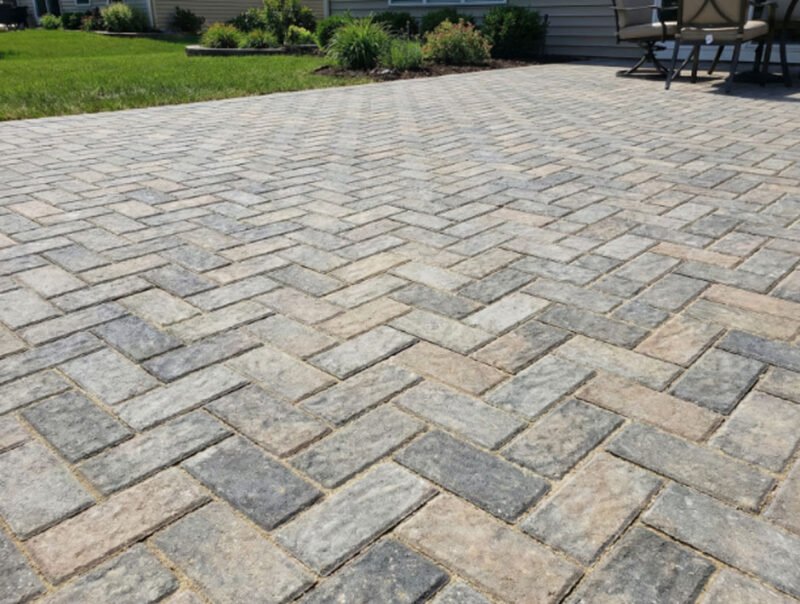
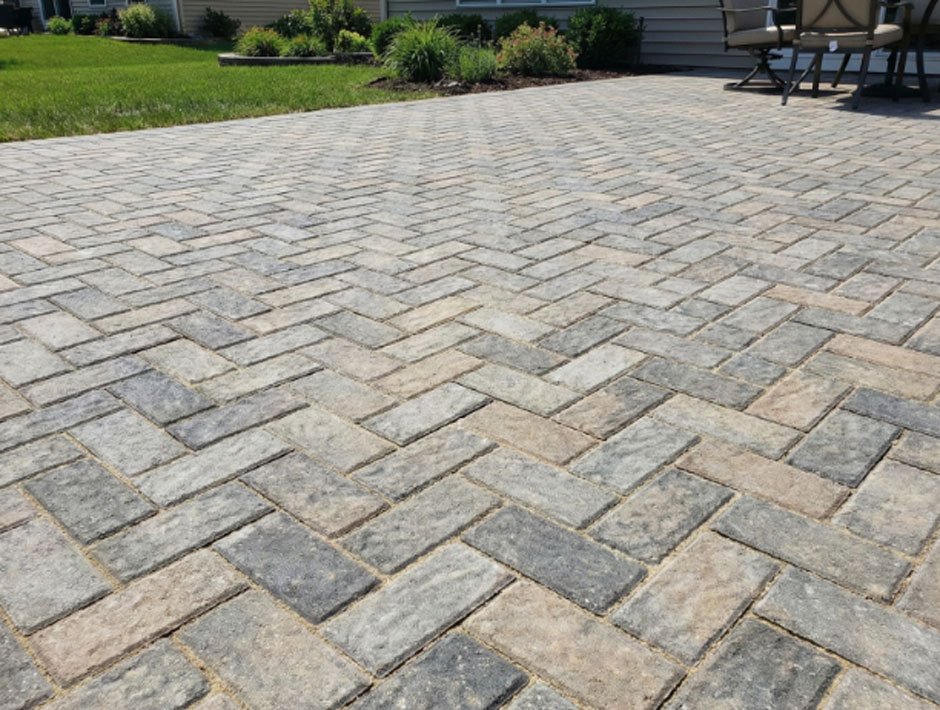
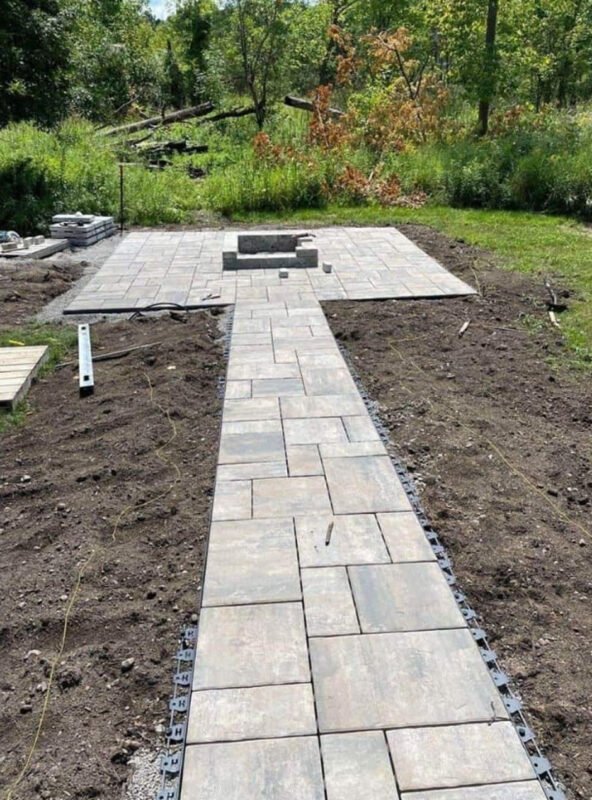
Concrete pavers are a staple in hardscaping. They are individual units that interlock to form a flexible pavement system.
- The Pros: They are durable and come in endless shapes and colors. If one paver cracks, you can simply pull it out and replace it.
- The Maintenance Reality: While the pavers themselves are low-maintenance, the joints are not. Weeds and moss love to grow in the sand between pavers, requiring regular weeding or polymeric sand re-application. Over time, settling can create tripping hazards that require re-leveling.
Over time, settling can create tripping hazards that require re-leveling. This is especially important in high-moisture areas like pool decks, where textured concrete and special pool pavers are often used to improve safety and traction, an important part of pool-area preparation.
Learn more about essential pool-safety measures here.
2. Gravel (Pea Gravel or Crushed Stone)
For a rustic look and a budget-friendly price tag, gravel is often the first choice.
- The Pros: Excellent drainage and very low upfront cost. It gives a satisfying “crunch” underfoot and fits well with cottage-style homes.
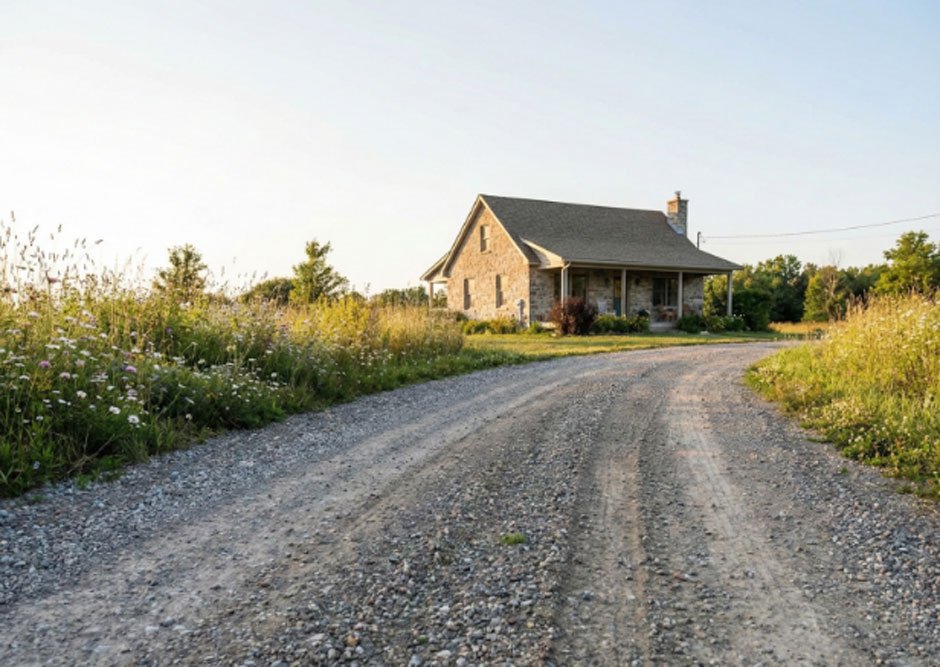
- The Maintenance Reality: Gravel travels. You will find it in your grass, your garage, and your house. It requires regular raking to keep it level and top-ups every few years as stones disappear into the soil. For driveways in snowy climates, shoveling gravel is notoriously difficult.
3. Brick
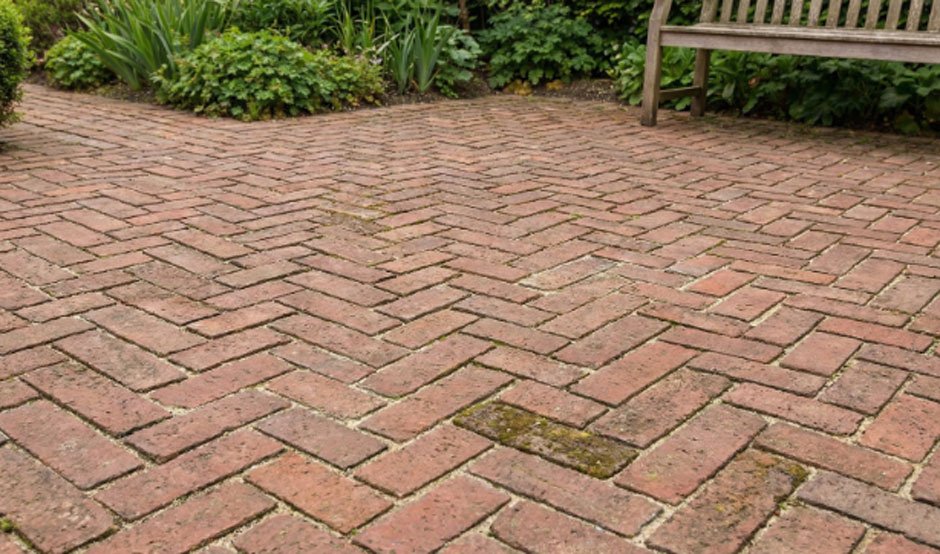
Brick offers a timeless, historic aesthetic that rarely goes out of style.
- The Pros: It’s colorfast (won’t fade easily) and naturally slip-resistant.
- The Maintenance Reality: Like pavers, brick is susceptible to weed growth in the joints. Bricks are also porous; in climates with heavy freeze-thaw cycles (like we see in Colorado), moisture can seep inside and cause bricks to flake or spall over time if not sealed properly.
4. Natural Stone (Flagstone or Slate)
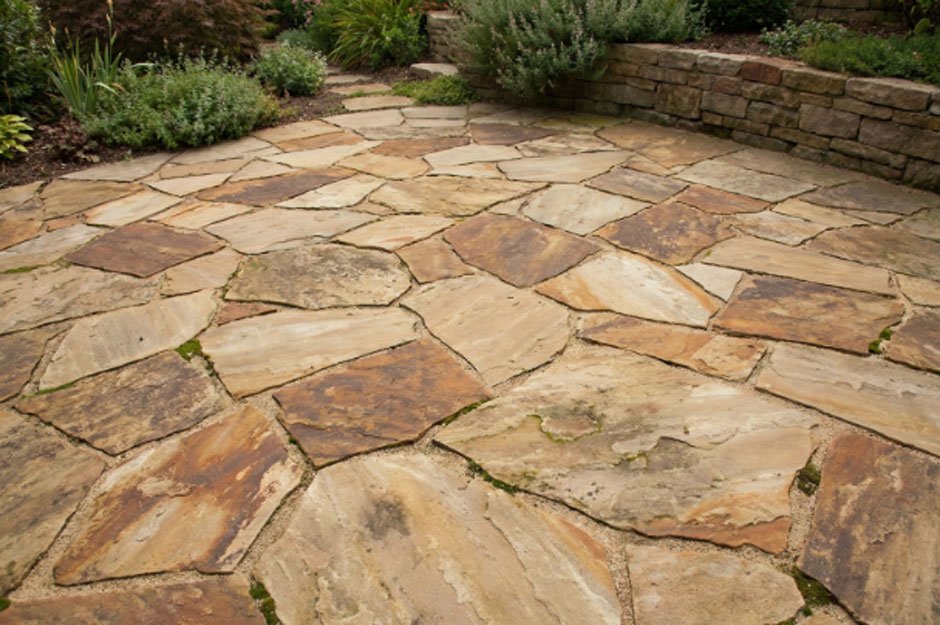
Nothing beats the look of real stone for an upscale, organic patio.
- The Pros: incredibly durable and uniquely beautiful, no two stones are alike.
- The Maintenance Reality: The irregular surface can make snow removal tricky. Furthermore, the mortar between stones can crack as the ground shifts, leading to expensive repairs. Unsealed stone is also prone to staining from oil drips or spilled wine.
5. Porcelain Pavers
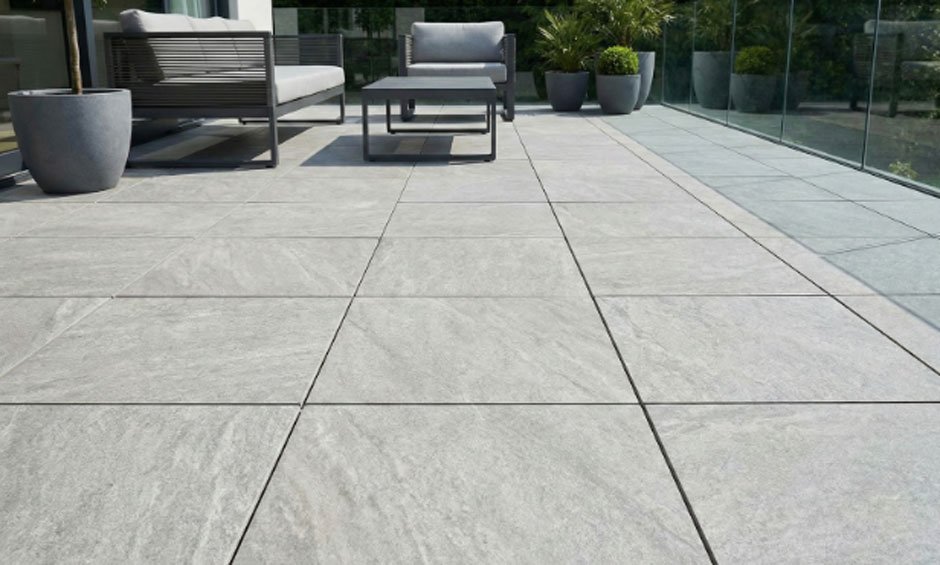
A newer trend in outdoor design, thick porcelain pavers are becoming popular for modern patios.
- The Pros: They are virtually non-porous, meaning they resist stains and mildew incredibly well. They offer a very sleek, modern look.
- The Maintenance Reality: While they clean up easily, they can be brittle. A heavy object dropped on a porcelain paver can shatter it. They are also significantly more expensive to install than most other options on this list.
6. Composite Decking (Patio Option)
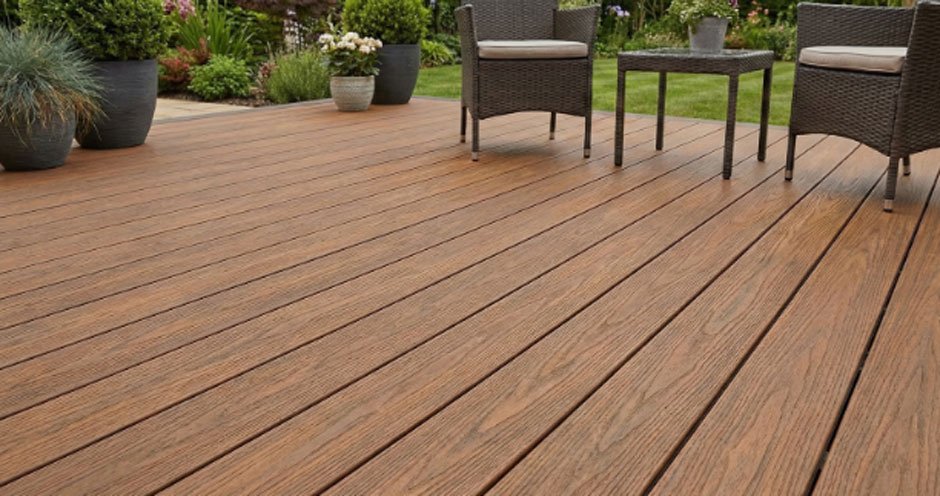
While not for driveways, composite decking is a major competitor for patio spaces.
- The Pros: No sanding, staining, or painting required. It mimics the look of wood without the splinters.
- The Maintenance Reality: It can get uncomfortably hot in direct sun, often too hot for bare feet. It is also susceptible to scratching from patio furniture, which, unlike wood, cannot be sanded out.
7. The Standout Winner: Stamped Concrete
Stamped concrete has rapidly become the gold standard for homeowners who want the high-end look of stone, brick, or wood, but with the durability of a commercial slab. For those planning a stamped concrete patio, professional installation ensures long-term performance and flawless results.
Why It Wins on Maintenance: Unlike pavers or stone, stamped concrete is a continuous, sealed surface. There are no grout lines for weeds to pop through and no individual units to settle or trip over. Maintenance is typically limited to a simple rinse with a garden hose and a reseal every few years to keep the color vibrant.
The “Custom” Difference: Not all concrete is created equal. At Colorado Custom Concrete, we’ve seen how standard pours fail in our unique climate. That’s why stamped concrete stands out even more when done right:
- Strength: We use a 4000 PSI concrete mix reinforced with microfiber. This makes the driveway or patio significantly stronger than standard concrete, allowing it to support heavy vehicles and resist cracking.
- Weather Resistance: In regions with harsh winters, water is the enemy. Because stamped concrete is sealed and lacks sand joints, water runs off rather than soaking in and freezing, preventing the frost heave that ruins paver driveways.
- Versatility: You can achieve the exact look of a slate patio or a cobblestone driveway for a fraction of the cost of the real material, and with higher durability.
Final Thoughts
If you are looking for a flooring option that allows you to park your car or host a BBQ without worrying about weeds, ants, or loose stones, stamped concrete is the clear winner. It combines the aesthetic appeal of high-maintenance materials with the “set it and forget it” durability of industrial concrete.