




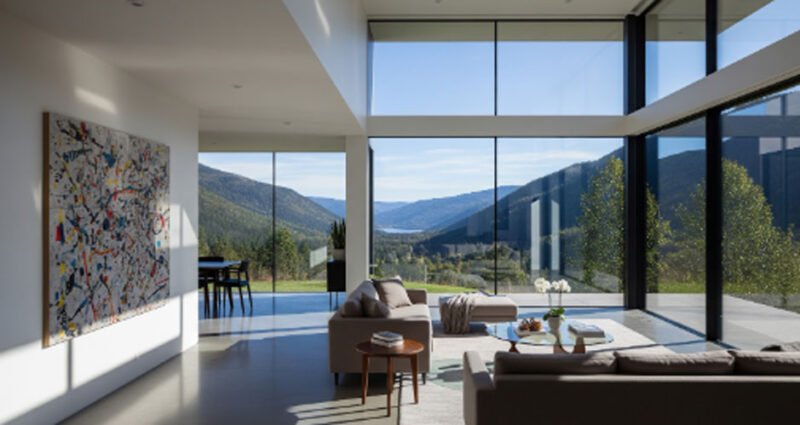
Windows influence a room’s appearance, atmosphere, and functionality. They frame your view, influence airflow, and regulate natural light. Choosing the right windows can be difficult due to the wide variety of styles, materials, and technologies available. Following trends is not the goal here. Choosing windows that complement your house, way of life, and location is crucial. This simple advice will assist you in making wise choices.
Listen to Your Location First
Your location determines the basic requirements. Every region faces different climate-related difficulties. Are you near the coast where there is a lot of wind and salt exposure? A suburban community where privacy is valued? In a city setting where it’s critical to reduce noise? The U-value needed for thermal performance is also determined by your climate zone. A traditional stone cottage in the Borders will require different specs than a new construction in a place like Cumbernauld. Looking into high-quality windows in Cumbernauld shows how regional norms inform sensible decisions.
Respect the Building’s Voice
The architectural design of your house offers crucial hints. A Victorian terrace is usually best suited to sliding sash windows that complement its size and character. Large fixed panes and thin frames are frequently ideal for a modern, minimalist home. Installing a tilt-and-turn window in a period facade is an example of how combining different styles can look out of place. A contemporary replica window that preserves the original design while providing better performance is sometimes the best choice. Instead of interfering with the building’s design, the objective is to support it.
Frame Materials: The Unseen Engine
The frame is as important as the glass. Various materials have varying advantages. Timber gives an all-natural, traditional appearance but requires regular maintenance. uPVC is a good insulator and requires minimal maintenance, thus making it a useful option in most households. Aluminium provides slim, robust frames with modern designs and, in most cases, provides a thermal break to aid in efficiency. Composite frames are made of two or more materials, including timber on the inside and aluminium on the outside, to achieve a balance between durability and appearance. The choice to make depends on price, style and durability.
Operation and Daily Life
Think about how you will use the window every day. Do you need to reach over a countertop to open it? Do you want secure ventilation for a child’s room? Casement windows open outward, seal tightly, and provide full airflow, but they require space outside. Sliding sash windows fit traditional homes and offer good control of ventilation. Tilt-and-turn windows allow secure ventilation and are easy to clean from indoors. Fixed picture windows maximise the view but do not open. Choose a mechanism that fits the room and the way you live.
The Performance Specs That Matter
Beyond visual appeal, performance ratings influence comfort and efficiency. Insulation is measured by the U-value; lower values indicate better performance. To figure out sound reduction levels in relation to noise concerns, refer to the Rw rating. Think about how much solar heat you want the windows to let in or keep out. By reflecting heat into the space, low-E coatings aid in heat management. Verify hardware quality and guarantees as well, as these have an impact on long-term reliability. Over time, the performance of your windows is influenced by these technical details.
Glass and Glazing: The Heart of It
The biggest influence on performance is the glazing you choose. The standard is double glazing with argon gas, which provides adequate thermal insulation. Triple glazing is appropriate for extremely cold or loud locations because it provides additional thermal and acoustic benefits. Laminated glass further reduces noise and increases safety. Glass with a tint or texture can increase privacy or reduce the amount of light that enters the space. The glazing specifications should be appropriate for both your home’s demands and climate.
Making the Final Decision
Start by evaluating each room in your house. You must consider the direction of the windows, the use of the space and any issues that exist such as drafts or condensation. Balance your ideal design with practical limitations such as planning rules and budget. It’s useful to find a reputable supplier who can survey your home and provide specific recommendations instead of one-size-fits-all solutions. Their expertise can point out options or limitations you may not have noticed.
The ideal window blends in with your house perfectly. It doesn’t make noise in the wind, stick when opened and doesn’t result in drafts. It creates a sense of comfort, provides safety from the elements and gives you a chance to enjoy the natural light and scenery. Choose windows that are suitable for the needs and the character of your home and they will last for many years.