


Understanding the Mechanics of Heat Retention in Attics
- Thermal Resistance and the Role of R-Value
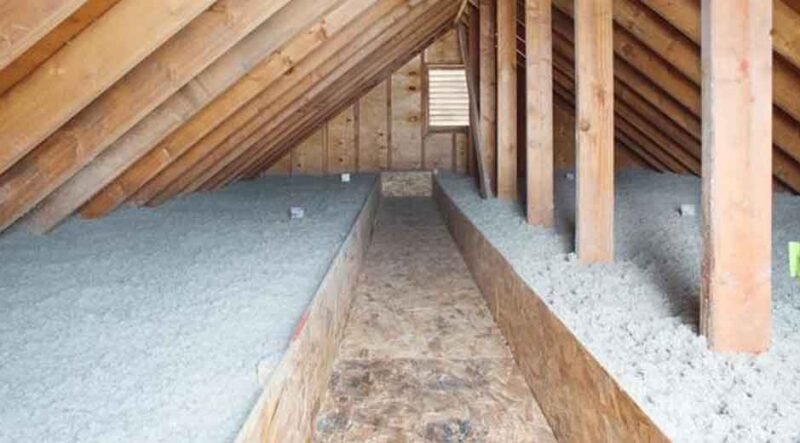
The effectiveness of attic insulation is largely determined by its thermal resistance, commonly measured by the R-value. The R-value indicates how well a material resists the flow of heat, with higher values representing greater resistance. In an attic, insulation works by slowing down the transfer of heat between the interior of the house and the outside environment. Heat naturally moves from warmer areas to cooler areas, so during winter, it travels from the heated interior to the colder exterior. Insulation materials, such as fiberglass, cellulose, or spray foam, provided by companies like First Defense Insulation, create a barrier that reduces this transfer, keeping warm air inside the home. In summer, the process reverses, preventing excessive heat from infiltrating living spaces. By selecting insulation with an appropriate R-value for the local climate, homeowners can optimize comfort and minimize energy costs throughout the year.
- The Science of Conduction, Convection, and Radiation
Heat transfer in attics occurs through three primary mechanisms: conduction, convection, and radiation. Conduction happens when heat moves directly through a solid material, such as wooden beams or insulation fibers. High-quality insulation materials minimize conduction by providing resistance to heat flow. Convection refers to the movement of heat through air or liquid; in attics, this can occur when air circulates and carries heat away from living spaces. Proper insulation, combined with air sealing, prevents unwanted air movement and reduces heat loss. Radiation involves the transfer of heat through electromagnetic waves. Certain insulation materials, like radiant barriers, reflect radiant heat rather than absorbing it, further enhancing energy efficiency. By addressing all three mechanisms of heat transfer, attic insulation creates a comprehensive thermal barrier.
- Material Properties and Energy Efficiency
Different insulation materials have unique properties that influence their ability to retain heat. Fiberglass insulation, for example, consists of fine glass fibers that trap air pockets, slowing heat movement. Cellulose insulation, often made from recycled paper products, has a dense structure that fills gaps and reduces air leakage. Spray foam insulation expands upon application, forming an airtight seal that blocks both heat and air transfer. Each material offers advantages depending on installation requirements, budget, and climate conditions. The key is understanding how these materials interact with the attic environment to maintain consistent indoor temperatures. Additionally, proper installation is critical; even high-quality insulation can perform poorly if gaps, compression, or moisture reduce its effectiveness. Ensuring the attic is properly ventilated while insulating effectively can prevent heat buildup and condensation issues.
- Impact of Insulation on Heating and Cooling Systems
Attic insulation significantly influences the performance of a home’s heating and cooling systems. Without sufficient insulation, HVAC systems must work harder to maintain comfortable temperatures, consuming more energy and increasing utility costs. Effective attic insulation reduces this strain by maintaining a stable indoor temperature, allowing heating and cooling systems to operate more efficiently. Over time, this not only saves energy but also prolongs the lifespan of HVAC equipment. Heat retention in the winter means that less energy is needed to keep living spaces warm, while in the summer, the insulation helps prevent the intrusion of hot air. As a result, homeowners experience more consistent comfort throughout the year, with fewer temperature fluctuations and reduced energy bills.
- Environmental and Economic Considerations
Investing in attic insulation has both environmental and economic benefits. By reducing energy consumption, insulation lowers greenhouse gas emissions associated with heating and cooling. Homes with properly insulated attics also contribute to overall energy efficiency in a community, reducing the demand for electricity and fossil fuels. From an economic perspective, while the upfront cost of insulation installation may vary depending on materials and attic size, the long-term savings on energy bills are substantial. Additionally, well-insulated attics can increase the value of a home by improving comfort, energy efficiency, and overall structural performance. Understanding the science behind heat retention and insulation allows homeowners to make informed decisions that balance initial costs with long-term benefits.
Attic insulation is a critical factor in maintaining a comfortable and energy-efficient home. By understanding the principles of heat transfer, including conduction, convection, and radiation, homeowners can appreciate how insulation materials reduce energy loss and improve heat retention. Choosing the right insulation with an appropriate R-value, installing it correctly, and combining it with proper ventilation ensures optimal performance. Beyond comfort, attic insulation offers economic and environmental benefits, including lower energy bills and a reduced carbon footprint. Properly insulated attics offer lasting benefits that extend far beyond simple temperature control.