




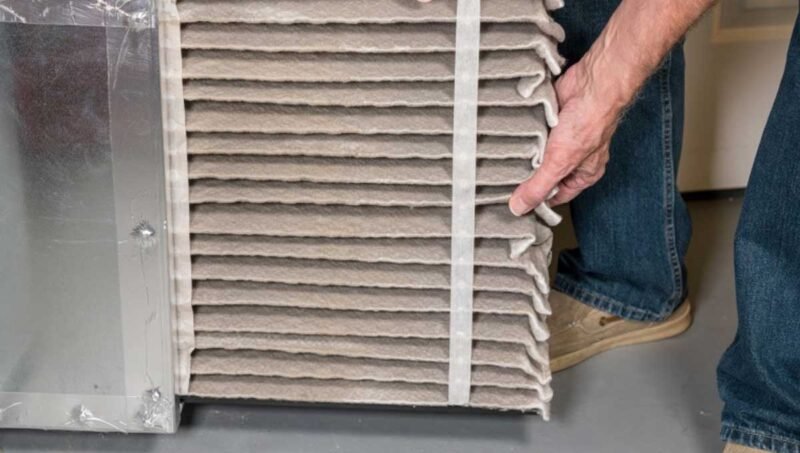
Air filters are one of the simplest yet most important components of any HVAC system. Their primary function is to capture dirt, dust, pollen, pet dander, and other airborne particles before they enter the heating and cooling equipment in order to prevent them from being circulated through the house. While many people view filters as insignificant, allowing them to become excessively dirty can actually lead to a wide range of HVAC performance problems.
Restricted Airflow Creates System Strain
One of the main problems caused by clogged air filters is restricted airflow. HVAC systems rely on consistent airflow to properly heat and cool the home, so when filters become overwhelmed with debris, air struggles to move efficiently through the system. Reduced airflow can lead to:
- Uneven temperatures
- Poor heating and cooling performance
- Longer operating cycles
- Increased wear on system parts
- Higher utility bills
As airflow diminishes, the HVAC system has to work harder to maintain the desired temperature, and this additional strain can shorten the lifespan of important components over time.
Dirty Filters Can Cause Frozen Coils
Air conditioners depend on proper airflow across evaporator coils to effectively absorb heat. However, when airflow is restricted due to a dirty filter, the coils may become too cold and eventually freeze, resulting in:
- Warm air blowing from vents
- Reduced airflow
- Ice buildup around the indoor unit
- System shutdowns
- Compressor strain
Many homeowners don’t realize that something as simple as a clogged filter can eventually contribute to much larger AC problems.
Heating Performance May Also Decline
Dirty filters affect heating systems just as much as the air conditioner. Furnaces also require adequate airflow in order to safely and efficiently distribute warm air throughout the home. When airflow is restricted during heating, homeowners may notice:
- Cold spots throughout the house
- Longer heating cycles
- Overheating furnace components
- Reduced comfort levels
- Increased energy usage
In some cases, overheating caused by restricted airflow may even trigger an automatic safety shutdown of the furnace.
Indoor Air Quality Problems Worsen
Air filters play an important role in maintaining cleaner air inside the home, and as they become overloaded with dust and debris, they aren’t as effective at trapping airborne particles. Poor filter maintenance may lead to:
- Greater dust accumulation
- Reduced air quality
- Increased allergens circulating indoors
- Respiratory irritation
- More buildup inside ductwork
Homes that contain pets, smokers, or individuals with allergies often experience indoor air quality issues more acutely when filters are neglected.
Energy Costs Often Increase
When HVAC systems have to work around restricted airflow, they consume more energy to achieve the same level of heating or cooling. This increased energy usage typically results in noticeable increases in monthly utility bills, due to:
- Longer system run times
- Reduced efficiency
- Overworked blower motors
- Increased compressor demand
- Frequent cycling
Even partially clogged filters can reduce HVAC efficiency enough to impact energy consumption over time.
How Often Should Air Filters Be Changed?
Filter replacement schedules vary depending on several factors, including household size, pets, allergies, and overall system usage, but the general rule of thumb is every 1 to 3 months. Homes that may require more frequent filter changes include those with:
- Multiple pets
- High dust environments
- Heavy HVAC usage
- Indoor smoking
- Allergy concerns
Regularly checking the filter is typically the best way to determine when replacement is necessary.
Improving Long-Term HVAC Performance
Dirty air filters are one of the most preventable causes of HVAC inefficiency and system strain. Despite their small size and relatively low cost, filters have a significant impact on airflow, energy usage, indoor air quality, and overall system performance. Routine filter replacement can help heating and cooling systems operate more effectively while reducing unnecessary wear on major components.