


A free AI image generator turns a simple text description into a finished picture, and that skill is surprisingly useful around the house. Picture a recipe card for your meal plan, a mockup of a reorganized pantry, or a clean graphic for your food blog, all made in under a minute. Home cooks, hobby bakers, and organization fans are picking up these tools fast. This guide explains what they are, how they work, and where they fit into daily home and kitchen life. You’ll also see how newer models like GPT Image 2.5 sharpen results.
What Is a Free AI Image Generator?
A free AI image generator is software that creates original pictures from written prompts, at no cost for basic use. You describe a scene, and the tool builds a matching visual instead of pulling one from a photo library.
This works because the software learned from massive collections of images paired with captions. Over time, it built a sense of how words connect to shapes, colors, and styles.
Most free versions offer a set number of daily generations or lower-resolution exports. Paid tiers unlock more speed, higher quality, and commercial rights. For casual home projects, though, the free plan is usually plenty.
How the Technology Actually Works
The process is called text-to-image generation, and it follows a clear path from idea to picture. Knowing the steps helps you write better prompts.
First, you enter a prompt. The tool reads your words and matches them to visual concepts it learned during training.
Next, the model starts with random noise and refines it step by step, gradually shaping a coherent image. This diffusion method powers well-known systems like Stable Diffusion.
Finally, you review the result and adjust. A small change to lighting, angle, or style can shift the whole image, so most people generate a few versions before choosing one.
Practical Ways to Use It at Home
The everyday uses stretch well beyond novelty art. Around the kitchen and home, these tools solve real, small problems.
Home cooks and food bloggers can create custom recipe cards, meal-plan graphics, and header images that match their style instead of relying on generic stock photos. Organization fans can sketch out ideas before buying a single bin.
Here are practical uses worth trying:
- Pantry planning: Visualize a reorganized shelf layout before you rearrange anything.
- Meal-plan visuals: Make tidy weekly menu graphics for the fridge.
- Recipe illustrations: Add a clean image to a printable recipe card.
- Social content: Keep a food or home account fresh with on-brand posts.
- Gift and label ideas: Design mockups for jars, labels, or homemade gift tags.
The real payoff is time. A quick visual helps you plan a project or share an idea without hiring a designer.
Top Platforms Worth Comparing
The market has grown crowded, and each tool has its own strengths. Knowing the main players helps you pick the right fit.
Stable Diffusion is an open model, prized by hobbyists who want to customize settings or run it locally. It offers deep control but has a steeper learning curve.
DALL·E, from OpenAI, is known for strong prompt accuracy and clean, literal results. It handles specific requests well and feels beginner-friendly. Midjourney earned a loyal following for its artistic, stylized output, ideal when you want a distinct mood.
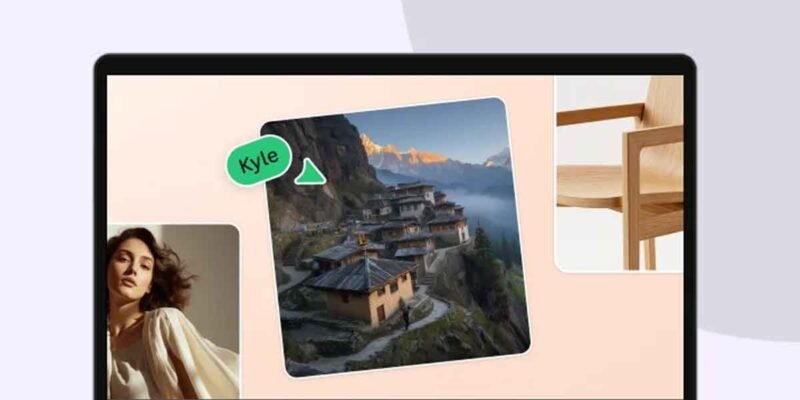
For home creators who also edit video and social content, an all-in-one option makes sense. This browser-based free AI image generator from CapCut folds image creation into a wider suite, so you can design a visual and build a project around it without switching apps.
What Makes GPT Image 2.5 Stand Out
Newer models have raised the bar on accuracy, and GPT Image 2.5, built on OpenAI’s image technology, is a strong example. Its biggest strength is prompt adherence: it follows detailed instructions more faithfully than many older tools.
That matters for home projects. If you ask for a specific pantry layout, color scheme, or label design, the model is more likely to nail it on the first try instead of after a dozen attempts.
It also handles text inside images far better, a weak spot for earlier generators. Labels, headings, and short menu text come out cleaner and more legible, a real plus for recipe cards and jar labels.
Editing is another upgrade. Instead of regenerating a whole image, you can refine one part, swapping a background or adjusting a single detail while keeping the rest intact. You can try the GPT Image 2.5 AI image generator to see how closely it matches detailed prompts.
Prompt Writing Tips for Better Results
The quality of your image depends heavily on how you describe it. A few simple habits sharpen your results fast.
Be specific about subject, style, and setting. “A tidy pantry shelf with labeled glass jars, warm lighting, clean farmhouse style” beats a vague “pantry” every time.
Add details about lighting, angle, and mood. These cues guide the model toward the picture in your head.
Common mistake: giving up after one weak result. What to do instead: treat early images as drafts, tweak a few words, and regenerate. When a prompt works well, save it so you can reproduce the same look across a whole set of recipe cards or posts. Consistency keeps your home content feeling put-together.
Limitations and Responsible Use
No tool is flawless, and honest use keeps your work credible. Knowing the gaps saves frustration later.
Even strong models can still stumble on hands, complex text, and fine detail. Always review outputs closely before you print or publish anything.
Free plans also come with trade-offs. Watch for these when choosing:
- Usage limits: How many images can you make per day?
- Resolution: Are free exports sharp enough for a printed recipe card?
- Watermarks: Does the free version stamp your images?
- Commercial rights: Can you use the output for a business, or personal use only?
Transparency matters too. If you share AI-made visuals on a blog, being open about it builds trust with your readers. A quick review pass keeps your content honest and useful.
Conclusion
A free AI image generator has become a genuinely handy tool for planning meals, organizing your pantry, and creating cleaner home content, all without a design budget. It saves time, sparks ideas, and puts polished visuals within reach of anyone with a clear prompt. Newer models like GPT Image 2.5 push accuracy further, following detailed instructions and handling in-image text with more precision. The best results still come from people who guide the tools well: write specific prompts, review each image, and pick a platform whose free plan fits your needs. Start small this week, and let your own ideas lead.