




When you think about window cleaning, it sounds simple—spray, wipe, done. But anyone who’s tried knows how frustrating those streaks can be. You can spend an hour scrubbing and still end up with cloudy glass that catches the light all wrong. Getting that crystal-clear, professional finish isn’t about luck; it’s about technique, timing, and tools. In fact, most professionals rely on consistent habits and a few trade secrets that make all the difference. If you want results that rival the pros, these proven methods will change how you clean forever. And if you’d rather leave it to experts, you can always turn to streak-free window cleaning services that guarantee a flawless finish.
Understand What Causes Streaks in the First Place
Before you fix a problem, you need to know what’s creating it. Streaks usually come from residue—either too much cleaner, dirty water, or lint left behind by a cloth. When cleaning solutions dry unevenly, they leave microscopic traces of detergent or minerals that show up as hazy lines. Another common cause: using paper towels or fabrics that shed fibres. Once those fibres mix with moisture, they smear dirt instead of removing it.
Use the Right Tools—Not Just What’s Handy
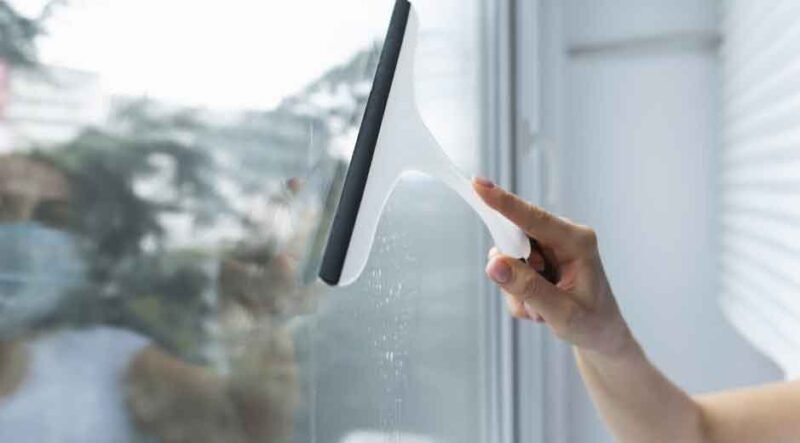
The pros don’t rely on paper towels or old rags. They use microfibre cloths, squeegees, and soft scrubbers. Microfibre is especially good at trapping dirt without leaving lint, while a squeegee gives you that clean, polished finish in one smooth motion. For homeowners, investing in a quality squeegee is worth it—it’s one of those tools that instantly levels up your results.
Choose the Correct Cleaning Solution
Store-bought glass cleaners work fine, but many pros mix their own. A popular formula combines warm water, a few drops of dish soap, and a splash of vinegar. The soap breaks down grease and grime, while the vinegar cuts through mineral deposits that cause dullness. The key is balance—too much soap leaves residue, too little won’t clean well enough. Avoid harsh ammonia-based products, especially if you’re cleaning tinted or treated glass.
Timing Is Everything—Avoid Direct Sunlight
Cleaning windows in direct sunlight is one of the biggest rookie mistakes. The heat causes your cleaning solution to dry too quickly, leaving streaks before you can wipe it off. Early morning or late afternoon is the sweet spot—cooler air gives you time to clean and dry evenly. If you have to work during the day, clean in sections and move with the shade.
Don’t Forget the Frames and Screens
Even if your glass shines, dirty frames can ruin the overall look. Dust, cobwebs, and water stains around the edges make windows appear neglected. Use a damp microfibre cloth to wipe down the frames before tackling the glass. For screens, remove and rinse them with a gentle soap solution—let them dry completely before reinstalling. This simple step prevents grime from transferring back onto freshly cleaned glass.
Perfect the Squeegee Technique
The squeegee is the unsung hero of streak-free cleaning—but only if used correctly. Start at the top corner, pull down in a single smooth stroke, and wipe the blade with a lint-free cloth after every pass. Overlap each stroke slightly to prevent water lines. Professionals also use a method called the “reverse-S” motion, which allows for continuous movement without lifting the blade. It takes practice, but it’s the secret to that flawless, polished finish.
Dry the Edges for the Final Touch
Even after using a squeegee, tiny droplets collect along the window’s edges. If left alone, they’ll dry into streaks or leave mineral spots. Use a dry microfibre cloth or chamois to gently buff around the perimeter. This finishing step gives the glass that crisp, transparent look you see in commercial buildings.
Maintain a Regular Cleaning Schedule
Clean windows aren’t a one-time job—they’re part of ongoing home care. Depending on your environment, aim to clean at least twice a year. In urban areas or near busy roads, dirt builds up faster, so quarterly cleanings might be better. The same principle applies to vehicles, where routine inspections and cleaning help identify chips or cracks early, making timely fleet auto glass repair and replacement easier and more cost-effective. Regular maintenance prevents buildup, improves visibility, and makes each cleaning or service session quicker and easier.
Try Professional Help for High or Hard-to-Reach Windows
There’s a reason many homeowners hire professionals: safety and consistency. Multi-storey windows or skylights can be risky to clean without proper equipment. Trained cleaners use extension poles, water-fed systems, and harnesses that make the job faster and safer. You’ll also notice the difference in precision—professionals are trained to spot water spots, seal issues, and glass damage that most people overlook.
Why Streak-Free Windows Matter More Than You Think
Clean windows don’t just look good—they change how your home feels. Natural light flows better through spotless glass, brightening interiors and improving mood. It’s also a subtle but powerful detail that affects curb appeal. Whether you’re preparing for guests, selling your home, or just want to enjoy the view, taking the time to master these techniques pays off in more ways than one.
The takeaway: achieving truly streak-free windows is a mix of good tools, the right timing, and practiced technique. Once you dial in your method, you’ll never go back to quick sprays and paper towels. Clear, streak-free glass isn’t just clean—it’s proof of care and craftsmanship.