




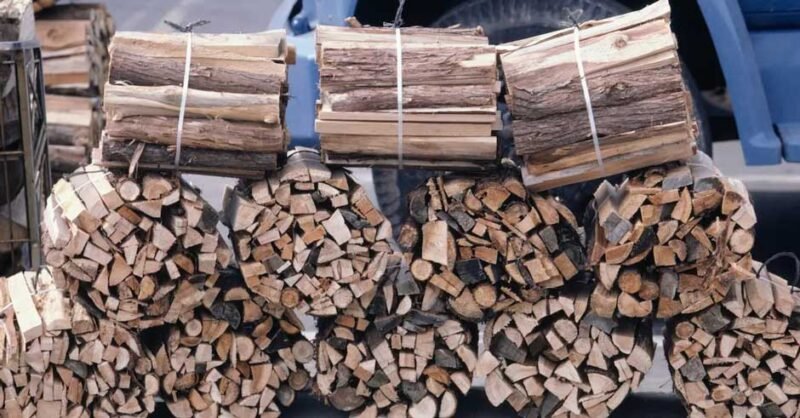
As per the U.S. Energy Information Administration, nearly 12% of households in rural America rely on wood as a primary or secondary heat source during the colder months. That number continues to rise each year as more families rediscover the warmth, scent, and comfort of traditional wood-burning heat. While it seems simple enough to purchase a few cords and start stacking, not all wood is created equal.
Before searching online for some Firewood for Sale, it’s essential to know what defines good quality and how to get the value for money. Poor choices can lead to damp wood, weak heat output, and even damage to your fireplace or stove. Understanding what to look for helps you stay warm, safe, and efficient throughout winter.
Know the Difference Between Hardwood and Softwood
The first decision to make involves wood type. Hardwood, such as oak, maple, or hickory, burns longer and provides more heat, while softwood, like pine or fir, lights faster but burns quickly. If you want steady heat throughout the night, hardwood is the better choice.
Ask your supplier about available varieties before purchase. Combining both types can also help balance cost and performance, giving you quick ignition with lasting warmth.
Check for Proper Seasoning
Moisture content plays a major role in heating quality. Properly seasoned wood burns efficiently and produces less smoke. Wood with high moisture wastes energy and causes creosote buildup inside chimneys, leading to potential hazards.
Seasoned pieces usually appear grayish and produce a hollow sound when tapped together. Request a moisture reading if possible; ideal firewood should have less than 20% water content.
Inspect Before You Purchase
Before committing to a delivery, take a close look at the wood pile. Pieces should be split evenly, free of mold, and cut to a manageable length. Avoid buying loads that appear damp or covered in fungus.
Ask to see a sample or visit the supplier’s yard if you can. Visual inspection prevents you from paying for low-quality or unseasoned wood that may be difficult to light.
Confirm the Quantity You’re Paying For
Firewood is sold by the cord, face cord, or rick. A full cord measures 128 cubic feet, which equals a tightly stacked pile of wood 4 feet high, 4 feet wide, and 8 feet long. Some sellers may use unclear terms or smaller stacks, which can confuse.
Always clarify what unit is being sold and ensure that your delivery matches the promised amount. Transparency saves both money and frustration during the cold months.
Understand Local Regulations and Sources
Some areas have rules restricting the transportation of certain wood species to prevent pest infestations. Always ask your supplier about local guidelines to avoid fines or the spread of invasive insects.
Buying from nearby providers also supports local businesses and reduces carbon emissions from long-distance hauling. If you see Firewood for Sale signs in your area, consider verified local vendors who follow sustainability standards.
Key Things to Remember Before You Buy From An Online Store
Here are essential points to keep in mind before your next purchase:
- Verify credibility through reviews and ratings.
- Check product details such as wood type, size, and moisture content.
- Confirm delivery charges and whether stacking is included.
- Ensure secure payment options and clear return policies.
- Compare prices across platforms to get the best value and quality assurance.
These simple steps make your investment worthwhile and ensure efficient heating all season.
Preparing for winter requires more than just filling your fireplace; it requires smart choices that guarantee safety and comfort. After understanding the differences between wood types, storage methods, and supplier credibility, you ensure reliable warmth without unnecessary waste.
High-quality wood heats efficiently and adds the cozy charm that defines the winter experience. With the right knowledge and preparation, your home will stay warm, welcoming, and ready for the season ahead.